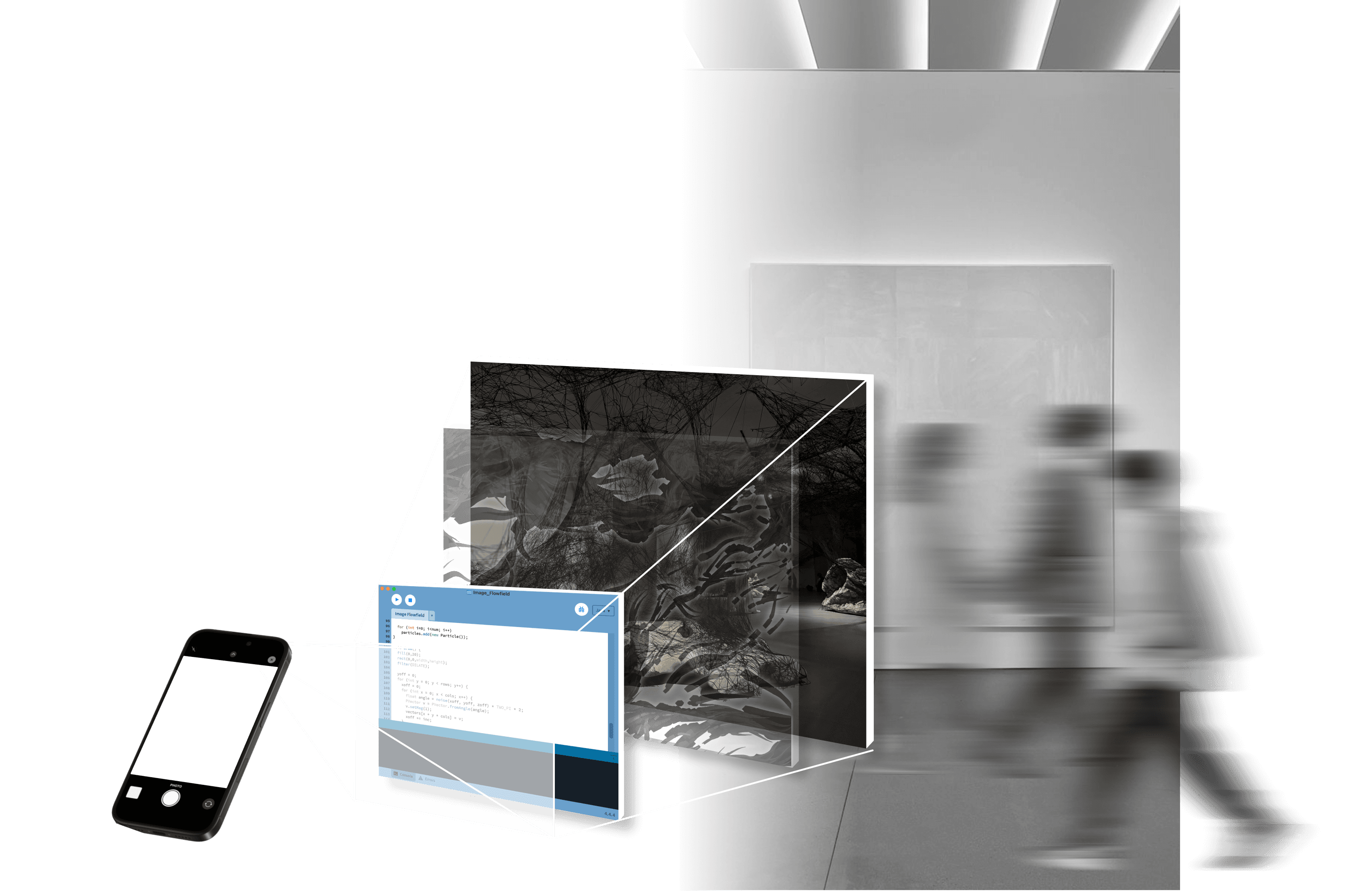
Project Overview
ARtist is my first independent, free project. Immediately a problem that any artist has faced surfaced in my mind: how can I spread my message across far distances. To address this, I created an app that blends new technology to reshape both the artist and art viewers’ experiences with art.
my Role
UX Research, UI Design
Collaborators
Timeline
3 months (2025)
Tools
Figma, Excel
“how might we optimize our experience with art by reducing the distance between artist intention to audience interpretation, being art viewers to becoming art creators, and art creation to art presentation”
THE PRODUCT
ARtist
To optimize our experience with art, we strive to reduce all 3 distances relevant to art viewing and creating.
Artist Intention to Audience Interpretation
Being Art Viewers to Becoming Art Creators
Art Creation to Art Presentation
Solution Impact
The interactiveness of the app can easily be adjusted to be applied to a variety of settings for greater impact or to achieve specific goals.
Enlarge to Interactive Screen
Input: Camera
Output: React to live audience movement
Visualize Large Data Sets
Input: Dynamic data
Output: Direction based on data change
Translate Sound into Art
Input: Audio frequency
Output: Frequency influences flow field
To get a gauge of the news outlet industry and Google News’ current situation, we conducted research from numerous facets. Field research gave us context into users’ general news browsing habits. Competitor analysis gave us a glance on Google News’ current position in the market. User testing gave us deeper dive into how users interact with Google News specifically.
Research
Artist Intention to Audience Interpretation
As artists dive into more conceptual and abstract themes, the gap between intention and interpretation continues to widen, especially where context is lost. Viewers now need to seek out background information to fully understand a work, but this effort can be a barrier. To close this gap, we must make artistic context more accessible, helping audiences connect with meaning without overwhelming them.
Evolution of Art

Evolution of Film
Third Cinema
Cinema Novo
Neorealism
Cin'ema v'erit'e
Direct Cinema
Expressionism
Surrealism
Formalism
Impressionism
New Wave
1910s
1920s
1940s
1950s
1960s
Purpose of Art Viewing and Creating
Art
1
Extension of language
2
Expression and abstract exploration
Film
1
Exploration
2
Influential
Research
Being Art Viewers to Becoming Art Creators
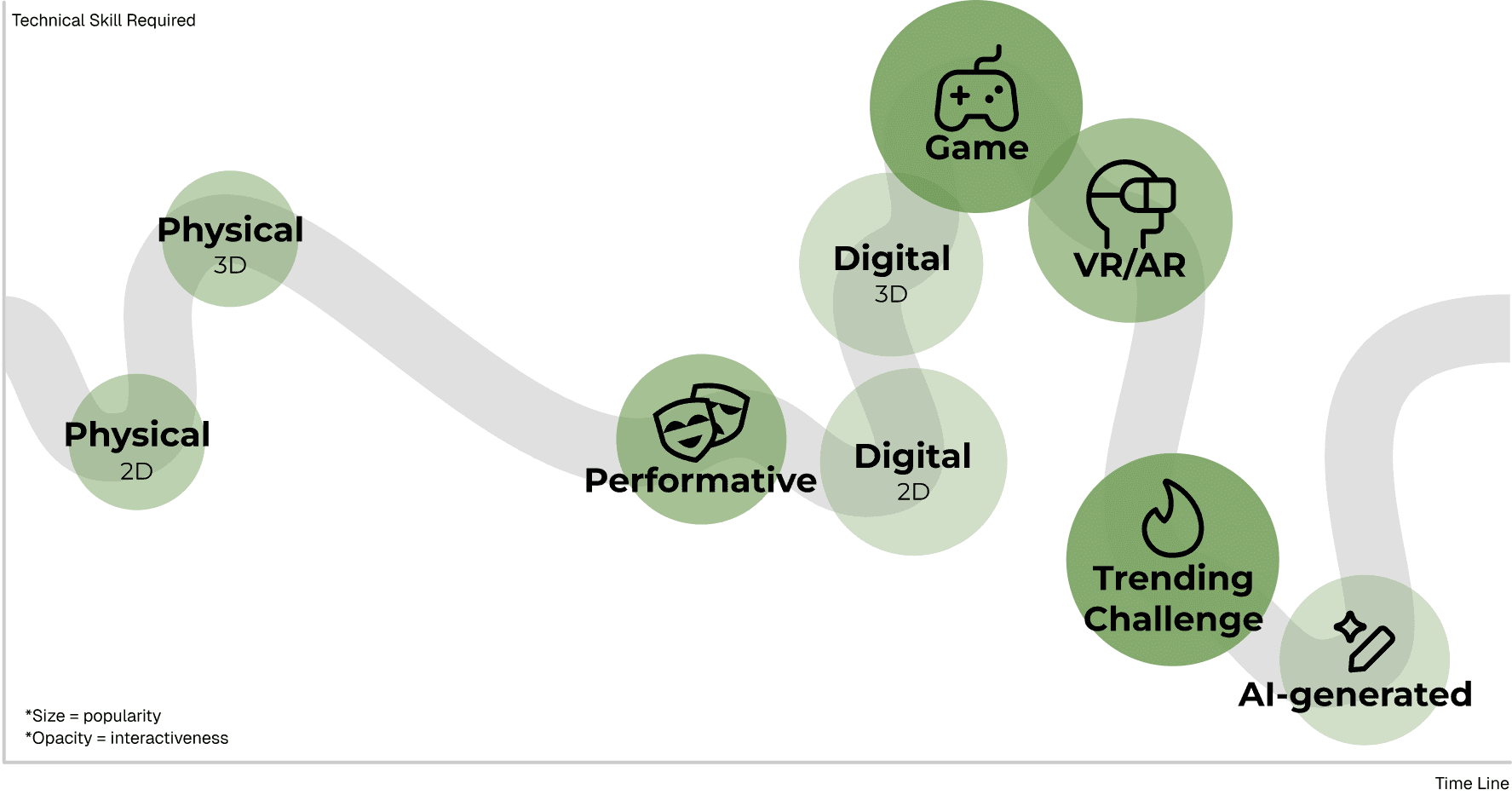
In today’s participatory culture, people are no longer satisfied with being passive art viewers—they want to be part of the creative process. The boundary between audience and artist is dissolving, as viewers increasingly seek not just to interpret art, but to shape it. Art is no longer a finished product to be observed, but a living experience that invites interaction, co-creation, and personal expression. We crave agency—to remix, reimagine, and leave our mark—transforming spectators into participants, and ultimately, into artists themselves.
Interactiveness of Art Forms
Why Does Art Exist?

Closing Gap Between Viewers and Creators
1
Decreasing Technicality
As art evolves, less technical skill seems to be required in creating what is defined as “art”, reducing the benchmark for one to become an artist.
2
Increasing Emotions
There are more emotional purposes to engage in art than functional.
3
Maintaining Connection
There is more reason to engage with art with personal connection which is easily achieved if they are part of the art creation process.
Research
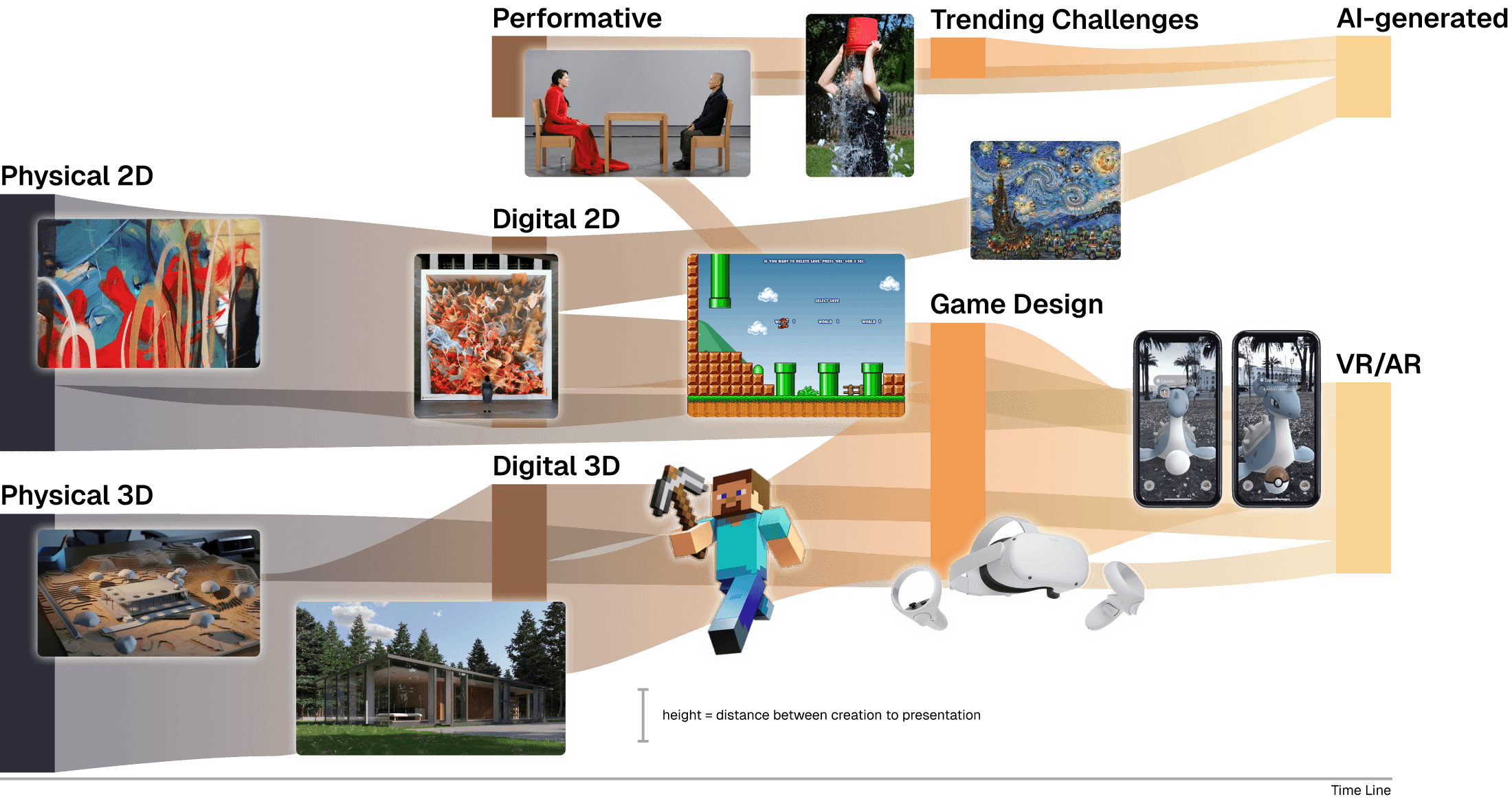
Art Creation to Art Presentation
How much time and effort it takes for an art creator to go from idea to exhibition in comparison to how much recognition and views they receive is a balance that all artists must make. If the distance is too short, there is often minimal reward. If the distance is too long, only established artists who can afford risk-taking would have the stamina to pull through the creation process. Our solution would aim to increase exposure of smaller projects and provide resources to back up rising artists to also pursue larger, higher-commitment projects.
Evolution of Art Forms
Trends
1
While art forms continue to emerge, they build off of previous works which lives infinitely through present art.
2
The time needed between the art work’s creation process up to its presentation continues to decrease.
Research
Targeted User Groups
Based on research on successful museums and social media forums, I gathered 4 main user groups when it comes to the common interest of art work exploration: foreign tourists, regular visitors, art creators, and members of established art organizations. From there, I created 4 personas in correspondence for tailored design solutions.

Focal Points
1
Limited resources
2
Financial budget
3
Lack of long-term connection
4
One-sided interactions
Design Solution
Reducing Distances

market position
Next to Our Biggest Competitors
Pathway to Visibility

Art Work Life-Cycle

Wireframing
System Architecture

The AR art creation feature is a reminder for users who are more used to one-sided appreciation of art that creating art can be simple and that any art viewer can also become an art creator.
PROTOtyping
Visual Input to Visual Output
AI provides summaries with diverse news perspectives and popularity metrics for faster information acquisition and deeper insights.

Starry Night | Vincent Van Gogh
Painting

Duomo Santa Maria del Fiore
Architecture
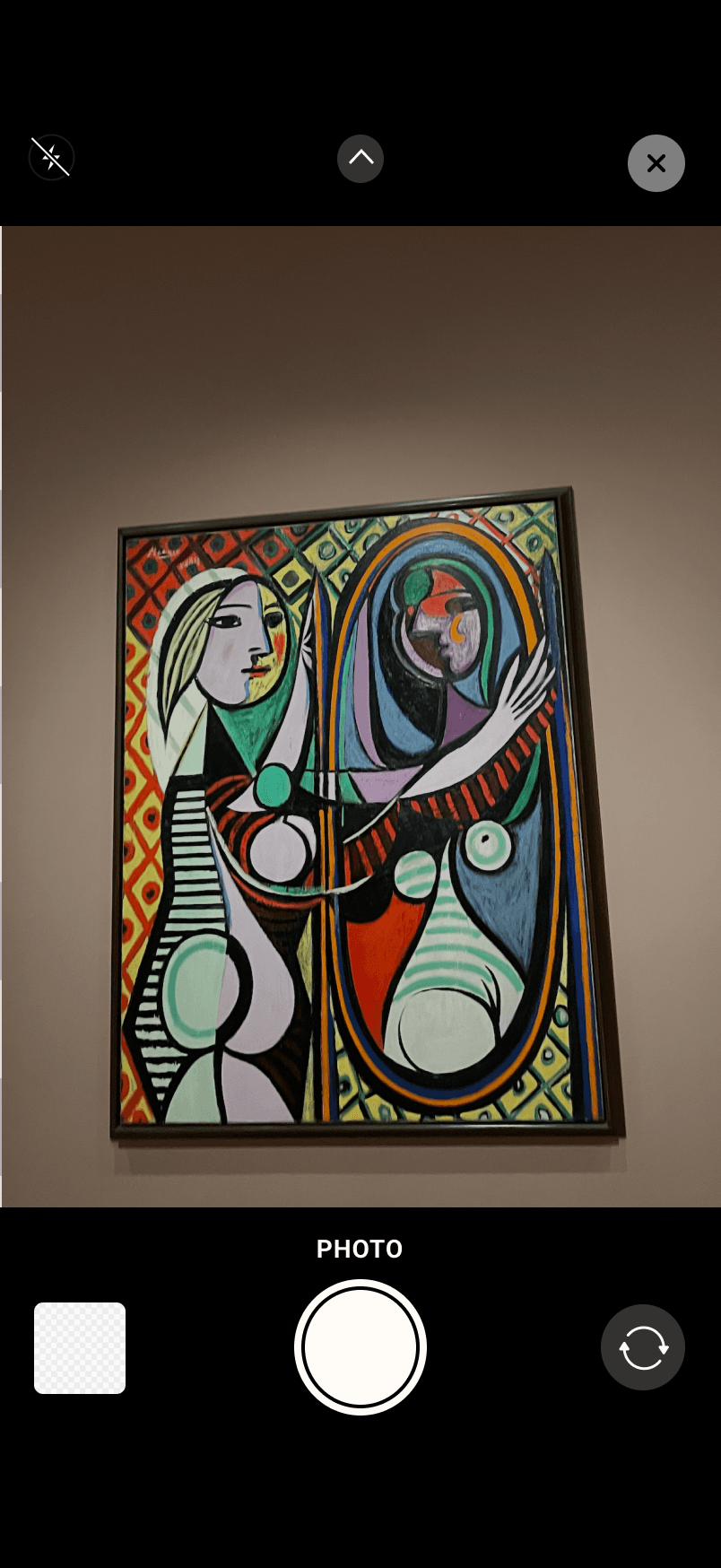
scan art work
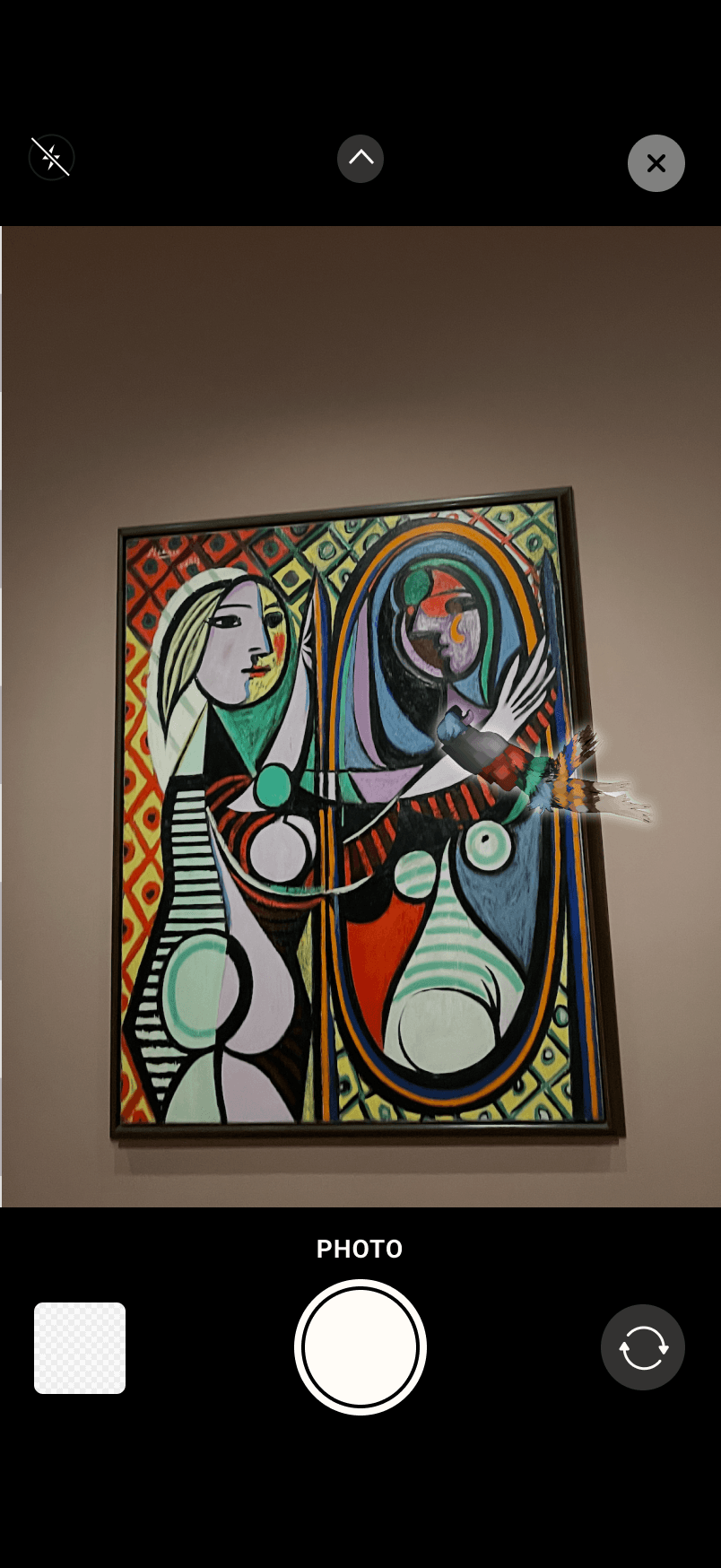
code initiated
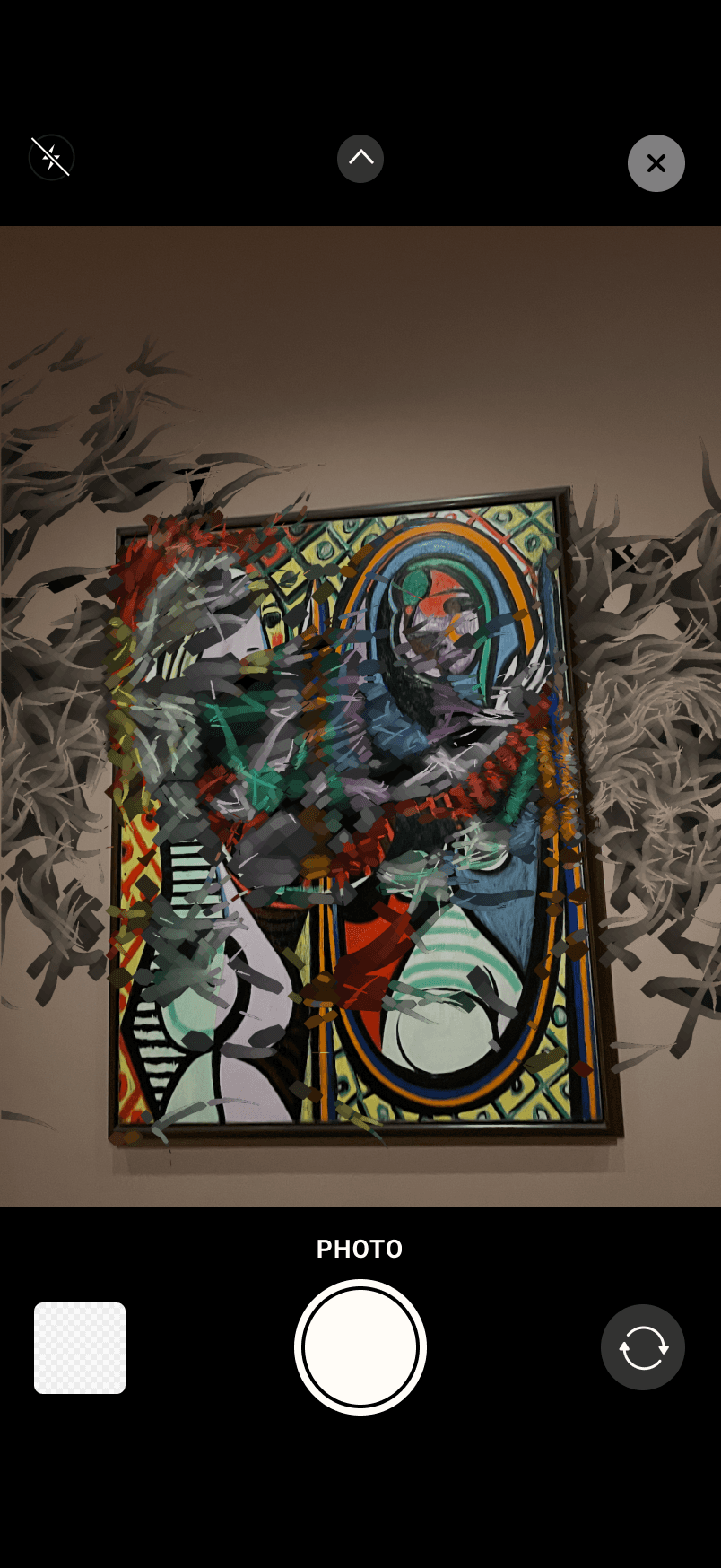
code runs
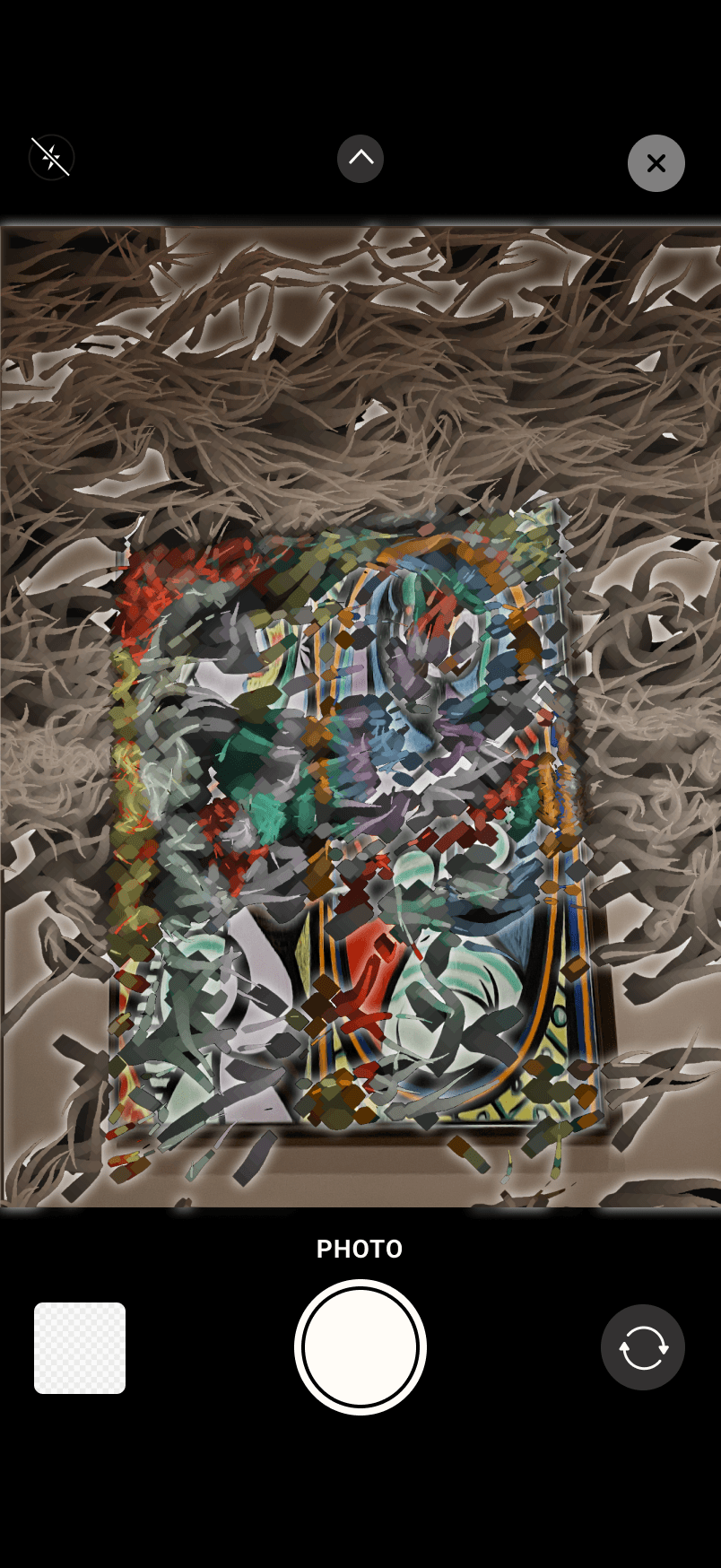
PROTOtyping
AR Feature
Accessible under the camera tab, users can build off of existing art pieces and save their own abstract visuals.
Takeaways
This project strengthened my understanding of how artistic visibility is shaped by interconnected systems of access, mediation, and interpretation across public, institutional, and digital spaces. I learned to balance individual creative expression with curatorial, audience, and platform constraints, translating ecosystem insights into a cohesive, scalable framework. This project reinforced my practice of using systems thinking and human-centered design to lower barriers to participation while preserving artistic intent.
